


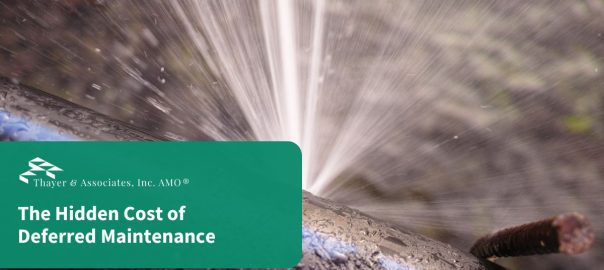
Deferred maintenance can feel like a short-term win by delaying immediate repair costs, but it can be a silent destroyer of property value, as damage can compound a once-small problem into a larger, more costly one. From leaky toilets and faucets to a struggling HVAC system, deferring maintenance can become a long-term expense in exchange for short-term savings.
Let’s review what deferred maintenance is, why it can be alluring to property owners, and the ultimate financial and tenant impacts. 
What Is Deferred Maintenance?
Deferred maintenance is the practice of putting off or ignoring regular property repairs and upkeep as a result of financial, scheduling, or staffing shortages. Think of it like putting a repair on a high-interest credit card; it might give you a temporary break today, but the longer you wait, the more it costs you in the end.
Top Reasons Property Owners Choose to Delay Repairs
Property owners frequently delay essential maintenance due to busy schedules, waiting until lease renewal to address issues, or simply trying to save money upfront. However, putting off repairs often stems from a combination of vendor availability constraints and a failure to fully recognize the severity of the issue until it is too late.
This hesitation triggers a cascade of compounding expenses where a minor issue escalates into a major crisis. Some examples include: a leaking faucet leading to extensive cabinet damage, a small roof leak resulting in costly mold remediation, or a worn HVAC system requiring an emergency replacement during a punishing heatwave.

The Cost of Waiting
The true cost of delaying maintenance can be measured in terms of both resident dissatisfaction and financial costs, such as lowered property value, emergency repair costs, property damage and the cost of tenant turnover.
Resident Dissatisfaction & Turnover
Maintenance issues are among the top reasons tenants leave a community. Residents who are dissatisfied with the timely management of repairs tend to start looking for alternative housing. A lack of communication or the delay in these repairs can be a major source of frustration for renters. In fact, if repairs are continually ignored, it can lead renters to find a new living space where property managers listen and fix issues promptly.
Financial Costs
Costly Emergency Repairs
Repairs are almost always less expensive when planned than when completed in an emergency. When a routine repair is delayed, it often means paying premium rates for after-hours service, expedited parts, or emergency vendor availability. By promptly responding to repair requests, property management companies can prevent small leaks in toilets or sinks from becoming major issues, such as flooding or water damage to floors and walls.
Increased Insurance Premiums
The financial cost of deferred maintenance can also be felt in rising insurance premiums if repairs lead to claims for damage. Water damage, electrical failures, and structural issues can all increase claim frequency and, over time, may contribute to higher insurance premiums or coverage complications.
Property Damage
Small issues tend to become large ones if ignored. A sluggish HVAC system, if ignored, can become a major utility issue, leading to heat or cooling breaks in the middle of a freezing winter or a sweltering summer. Postponing routine maintenance can lead to frozen pipes during cold New England winters. Neglecting leaking pipes could eventually lead to damaged ceilings, walls or floors.
Lost Rental Income
Major repairs or damaged units can quickly lead to lost income from renters, whether they are forced to leave due to the repairs or choose to leave to find a rental with fewer issues.
Deferred maintenance is a costly gamble that sacrifices long-term value for temporary savings. By neglecting routine upkeep, you risk compounding property damage, escalating emergency repair costs, and driving away quality tenants. Instead of letting small issues spiral into major financial crises, prioritize a proactive approach to property maintenance. Protecting your investment requires consistency, but you don’t have to manage it alone. If you need expert assistance in developing a comprehensive maintenance strategy or require professional property management services to keep your community thriving, contact the team at Thayer & Associates today.