


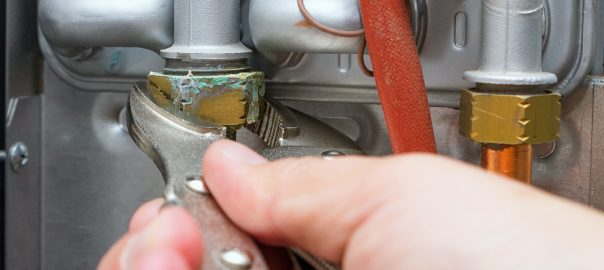
Regular, thorough maintenance of a condominium community is one benefit of living in a homeowners association (HOA) that many unit owners appreciate. In fact, many unit owners potentially chose a community because they would not need to take care of typical chores that other homeowners need to deal with, such as mowing the lawn, trimming the bushes, regular repairs, plowing the driveway during the winter months, repairing broken and well-worn aspects of the building, and cleaning the common areas and amenities.
While most HOAs have bylaws and governing documents that clearly outline who maintains and repairs which areas, it can still be confusing to decipher who handles certain repairs. Therefore, the goal of today’s blog is to educate unit owners, future buyers, and association members about maintenance responsibilities that fall within a unit owner’s domain versus those of a homeowners association.

Understanding HOA vs. Homeowner Responsibilities
Before buying a condo or moving into a community, it is always good to understand how the responsibilities are divided. Association responsibilities are usually divided between the governing board and the individual unit owners.
Individual unit owners generally control the rights to their unit. Unless otherwise stated in the association bylaws or documents, this includes: the floors, ceilings, and walls of each unit, including the airspace and paint on the interior walls. In townhome communities, this responsibility extends to the individual piece of land surrounding each unit, as well as any other structure (s) within it.
Likewise, associations and their governing boards have areas they are responsible for maintaining and repairing. The Declaration, Covenants, Conditions, and Restrictions (CC&Rs) document should include detailed information that sets out specifics for each community. This document is made available to all community members.
The HOA handles maintenance of shared common areas and the overall building structure. Limited common areas are the shared responsibility of the HOA and unit owners who benefit from them.
What is Considered a “Common Area?”
In a condominium association, common areas (or common elements) fall into two distinct categories. The first is General Common Elements (GCE), which are considered property accessible to and shared by all residents, such as roofs, hallways, electrical and plumbing systems, elevators, landscaping, walkways, and amenities like pools, tennis courts, clubhouses, and gardens.
Limited Common Elements (LCE) is the second category of common area that includes property technically owned collectively by the association, but reserved for the exclusive use of a specific unit owner. Examples include assigned parking spots, private decks/balconies, and assigned storage spaces outside the unit.

So Who is Responsible for Repairs?
It depends on the specific maintenance task. Individuals are responsible for maintenance within their unit, while HOAs are responsible for common areas shared among condo owners.
Under Massachusetts General Laws Chapter 183A (the Condominium Act), repair responsibilities are divided between the Condo Association and individual unit owners based on the unit boundaries set in your community’s Master Deed.
Condo Association Repair Responsibilities
The association is responsible for maintaining, repairing, and replacing all General Common Elements (GCE) using shared condo fees:
- Structural Components: Foundations, load-bearing walls, roof systems, exterior siding, framing, and joint walls between units.
- Shared Building Spaces: Interior hallways, entry foyers, lobbies, shared stairwells, public elevators, and trash rooms.
- Grounds & Exterior Features: Parking lots, sidewalks, driveways, landscaping, retaining walls, perimeter fencing, and shared outdoor lighting.
- Central Utility Systems: Main plumbing stacks, main electrical lines, gas pipes, central boilers, and shared HVAC equipment up to the point where the line enters a specific unit.
- Shared Amenities: Swimming pools, fitness centers, clubhouses, and shared storage rooms.
Unit Owner Repair Responsibilities
The unit owner is responsible for the upkeep, repair, and replacement of everything within their private unit’s physical bounds:
- Interior Surfaces & Finishes: Interior non-bearing walls, drywall, paint, wallpaper, insulation, ceiling materials, and all flooring (hardwood, tile, carpet).
- Fixtures & Appliances: Kitchen and bathroom sinks, toilets, bathtubs, showers, vanity cabinets, refrigerators, stoves, dishwashers, washing machines, and dryers.
- Unit Utilities: Individual water heaters, furnace/heat pump units exclusively servicing the unit, internal electrical wiring from the panel, light fixtures, and internal plumbing run from the main wall pipe to the fixtures.
- General Housekeeping & Pests: Internal pest management, mold remediation caused by internal leaks, and interior maintenance.
Massachusetts, however, does provide some exceptions to this list. For instance, when a Massachusetts unit owner causes damage to shared property or neighboring units through carelessness, such as letting an appliance burst or a tub overflow, the association can charge the repair expenses and any insurance deductible straight to that resident. Because precise obligations can differ, reviewing your property’s Master Deed is the best way to verify your exposure.
Specifics to Your Association
Before you request a repair or start working on one within your individual unit, you may want to consult the CC&R for your association. Here are a few areas that could get confusing, so you will want to ask for clarification.
- Roof and exterior walls: Depending upon the guidelines of your community, these areas are most often defined as common elements, but the unit might include the interior surface or drywall.
- Floors or ceilings: Similar to walls, the unit might include just the surface, halfway through, or the whole floor or ceiling. Check your CC&R for specifics.
- Windows and doors: As determined by your association contract, the frames, glass, and the hardware may or may not be part of the unit. It could be considered a common area.
- Permanent fixtures: Cabinets, flooring, sinks, and the like are typically considered part of the unit and thus the responsibility falls to the owner of the unit. However, certain fixtures, including outdoor porch lights or garage lights, might not be included.
- Plumbing, electric, and air conditioning systems: The portions serving air, water, and electricity to the unit may be under the unit owner’s domain, but when these areas serve other units, they could be considered common areas.
- Decks, balconies, and patios: These might be part of the unit, common elements, or limited common elements. (Source: Nolo Law)
As you can see, the determining factors for which responsibilities belong to which party are mostly included in the documentation given to unit owners at the time of purchase. Examine those documents before you begin any repairs to determine who is physically and financially responsible. Contact our team at Thayer & Associates for more information about who is responsible for repairs in your HOA. We’re happy to help!